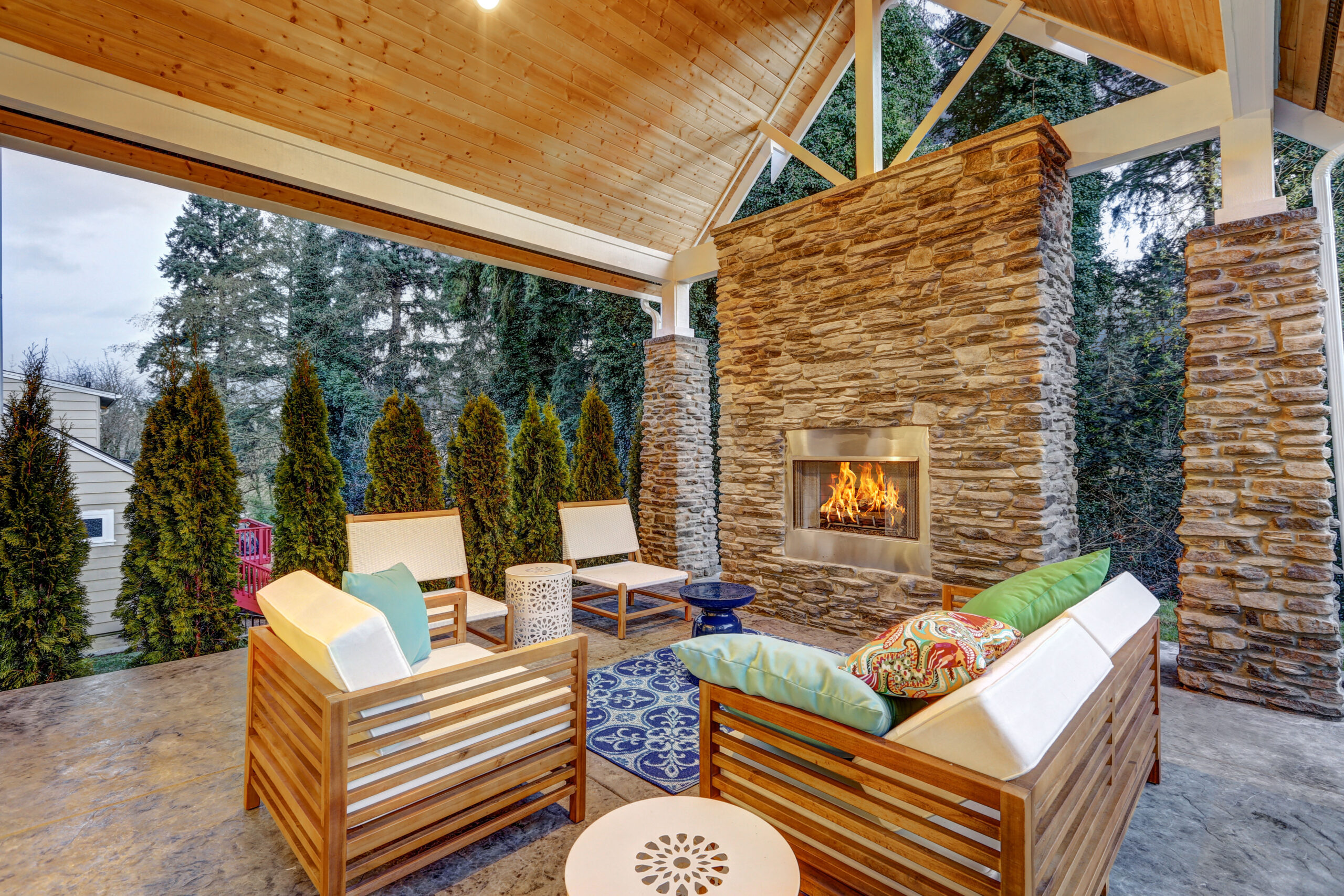
In recent years, gas fireplaces have become an increasingly popular choice for homeowners looking to update or install a new heating solution. The growing interest is not surprising, given the convenience, efficiency, and versatility they offer over traditional wood-burning fireplaces. Beyond aesthetics, gas fireplaces provide a safer and cleaner heating option, allowing homeowners to enjoy the warmth and charm of a fire with minimal effort. From advanced technology features to eco-friendly advantages, these fireplaces deliver both practical and financial benefits. This article explores six compelling reasons why switching to a gas fireplace is a smart, forward-thinking decision for any home.
1. Ease of Use
One of the most attractive features of gas fireplaces is their exceptional ease of use. With instant ignition capabilities, a warm, glowing fire can be started at the push of a button or a click of a remote control. Unlike traditional wood fireplaces, which require manual ignition and considerable effort, gas fireplaces offer immediate comfort without the hassle. This convenience aligns perfectly with modern lifestyles where homeowners value efficiency and simplicity.
For many homeowners, that convenience also extends to how they relax. A gas fireplace often becomes the centerpiece of a cozy evening, whether it’s spent reading, hosting guests, or watching favorite shows and movies through internet-based TV services, all without the distraction of tending a traditional fire.
Another aspect of ease of use is the elimination of firewood. Traditional fireplaces require chopping, storing, and managing wood, which can be time-consuming and messy. Gas fireplaces bypass these requirements entirely, providing a no-fuss heating solution. Homeowners no longer need to worry about storing logs, dealing with ash, or facing unpredictable fire-starting challenges. This hands-off approach allows for more enjoyable, stress-free use. Maintenance is equally straightforward. Gas fireplaces require minimal upkeep compared to wood-burning options. There is no need to clean out ashes or manage creosote buildup in the chimney. Annual check-ups to ensure the burners and vents function properly are usually sufficient.
Temperature control is another modern advantage. Many gas fireplaces allow precise regulation of heat output and flame intensity, offering a customized environment for any room. According to Business Market Insights, in 2023 there were more than 8.5 million gas-fired fireplaces in U.S. homes, underlining exactly how popular gas fireplaces are becoming in the U.S.
2. Energy Efficiency
Gas fireplaces are renowned for their energy efficiency, often delivering higher heat output than traditional wood-burning fireplaces. The controlled burning process ensures maximum heat transfer into living spaces, producing more warmth with less fuel. This efficiency can result in noticeable reductions in utility costs, making gas fireplaces an economical long-term investment. Zone heating is another energy-conscious feature. Gas fireplaces can heat specific areas of a home instead of wasting energy on unused rooms. By targeting occupied spaces, homeowners save on overall energy consumption. Modern units equipped with programmable thermostats and flame-adjustment features make this approach even more effective, enhancing both comfort and cost savings.
Lower energy bills naturally follow from the high efficiency and precise control offered by gas fireplaces. Integrating a gas fireplace with a home’s main thermostat can further optimize heating costs. Over time, these savings can offset the initial installation expenses, making gas fireplaces a financially prudent choice. The fuel used by gas fireplaces, natural gas or propane, is also cleaner than wood, resulting in fewer pollutants and particulates released into the air. This eco-friendly aspect not only supports environmental sustainability but also improves indoor air quality. As more homeowners seek energy-efficient solutions that minimize environmental impact, gas fireplaces offer a responsible alternative.
3. Safety Features
Safety is a critical advantage of gas fireplaces. Built-in mechanisms such as automatic shut-off systems minimize the risk of gas leaks and accidental fires. Many models include safety indicators to alert homeowners to potential issues, offering peace of mind, especially for families with children or pets. Unlike wood-burning fireplaces, gas fireplaces produce no sparks, embers, or ashes. This reduces fire hazards significantly and creates a cleaner living environment. The controlled, contained burn of a gas fireplace makes it much safer than traditional hearths, and the absence of ash simplifies maintenance.
Sealed combustion technology further improves safety by drawing air from the outside for combustion and venting gases directly outdoors. This prevents harmful gases like carbon monoxide from entering living spaces, maintaining air quality and protecting household health. Many gas fireplaces are compatible with carbon monoxide monitors, adding an additional layer of safety for proactive homeowners. Cool-touch glass technology ensures that the fireplace surface remains safe to touch, preventing burns for children or pets. This feature demonstrates how gas fireplaces integrate modern technology to provide a secure, user-friendly heating solution.
4. Versatile Design Options
Gas fireplaces offer unmatched versatility in design. From sleek, modern units to rustic traditional styles, there is a fireplace to match virtually any interior decor. With a wide range of finishes, trims, and decorative elements, homeowners can personalize the look of their fireplace to complement their home’s aesthetic. Customizable features extend to logs, stones, and flame patterns, allowing the creation of a unique visual ambiance. Adjustable flames enhance atmosphere, while different inserts and mantels provide further options for personalization.
Space-saving installation is another benefit. Gas fireplaces do not require large chimneys or hearths, allowing for wall-mounted, corner, or freestanding units that fit seamlessly into smaller or unconventional spaces. Outdoor installations, including fire tables and patio units, expand the versatility to exterior living areas, adding comfort and entertainment options beyond the home interior. The combination of style, customization, and adaptability also enhances property value. According to a 2023 real estate survey, homes with modern, energy-efficient fireplaces are more appealing to buyers, making gas fireplaces both a functional and strategic investment.
5. Cost Considerations
While the initial installation of gas fireplaces can be higher than other heating options, the long-term financial benefits often outweigh the upfront expense. Reduced fuel costs, minimal maintenance, and energy efficiency contribute to ongoing savings. Additionally, many regions offer rebates or tax incentives for energy-efficient appliances, which can lower the initial cost. Long-term savings are further amplified by the durability and lifespan of modern gas fireplaces. Well-maintained units can provide years of reliable service, with reduced dependence on purchased firewood and lower energy bills.
Maintenance costs are minimal. Unlike wood-burning fireplaces, there is no need for professional cleaning of ashes or creosote. Annual inspections are typically sufficient to keep the unit operating safely and efficiently. Beyond financial savings, gas fireplaces can increase property value. Prospective buyers often view modern fireplaces as desirable features, enhancing both appeal and resale potential.
6. Environmental Impact
Switching to gas fireplaces can have a positive environmental impact. Natural gas and propane burn cleaner than wood, producing fewer greenhouse gases and pollutants. This cleaner combustion helps reduce a home’s carbon footprint, supporting sustainable living practices. Gas fireplaces are also more resource-efficient. Unlike wood, which requires harvesting and processing, natural gas is abundant and efficiently burned, providing consistent heat with less fuel. Cleaner indoor and outdoor air quality is another advantage, reducing particulate emissions that can cause respiratory problems.
When compared to alternatives, gas fireplaces strike a balance between the visual appeal of wood fireplaces and the energy requirements of electric units. They provide an environmentally responsible, energy-efficient heating solution without relying solely on the electrical grid. Investing in gas fireplaces also future-proofs home heating systems. As energy trends shift toward sustainability, natural gas represents a transitional solution that combines comfort, efficiency, and environmental responsibility.
Switching to gas fireplaces offers homeowners a combination of convenience, efficiency, safety, design versatility, cost savings, and environmental benefits. From easy ignition and temperature control to modern safety mechanisms and eco-friendly fuel, these fireplaces provide both practical and long-term advantages. The ability to customize design, reduce energy bills, and increase property value makes them a compelling choice for modern homes. Whether enhancing comfort, aesthetics, or sustainability, gas fireplaces represent a smart investment for any homeowner looking to upgrade their heating solution. Explore the possibilities and transform your living space with FireElement today.


