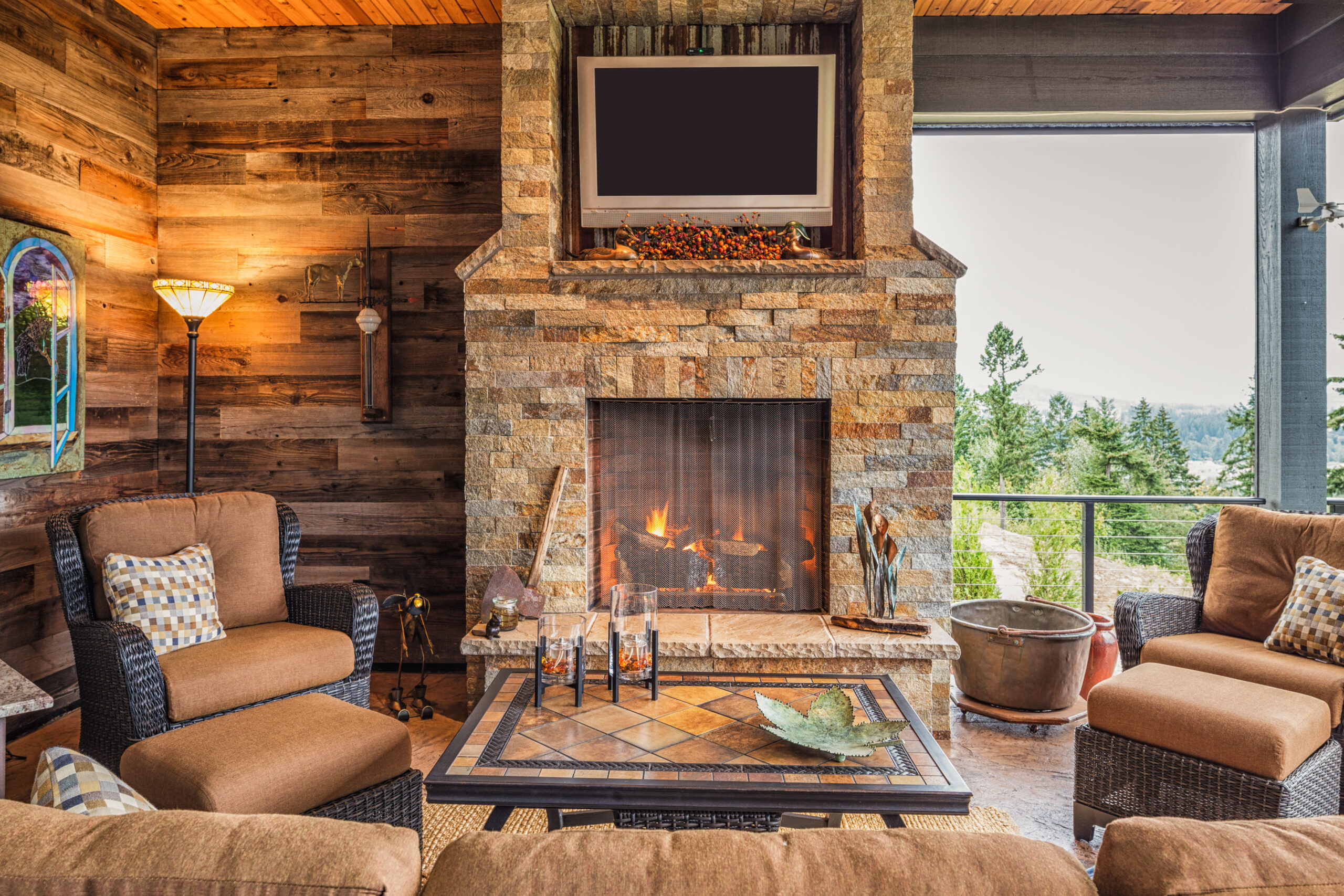
A fireplace can be one of the most inviting features in a home, providing warmth, ambiance, and a comfortable gathering space during colder months. However, without proper care and attention, a fireplace can also become a serious safety risk. Routine inspections, safe operating habits, and consistent maintenance are essential to ensuring your fireplace functions efficiently and safely year after year. From creosote buildup and ventilation concerns to worn components and weather-related damage, even small issues can escalate if left unaddressed. By understanding the importance of regular cleaning, proper usage, and professional assessments, homeowners can reduce fire hazards, improve performance, and protect both their property and the people who live in it.
1. Routine Inspection and Cleaning
Conducting regular fireplace maintenance is critical to ensuring your fireplace operates safely and efficiently. Inspections help identify wear and tear before it escalates into major problems. Some issues, like creosote buildup in chimneys, can pose serious fire hazards if not detected early. Maintaining a routine inspection schedule, preferably annually, is advised by safety professionals. Professional technicians have the expertise to assess all components thoroughly, from the chimney to the firebox.
Creosote buildup is a common issue in wood-burning fireplaces that must be managed to prevent fires. Creosote forms when wood smoke condenses and solidifies on the chimney walls. Elevated creosote levels increase the risk of chimney fires and obstruct airflow. Regular cleaning by a professional chimney sweep helps in controlling creosote buildup. Consider scheduling cleanings more frequently based on fireplace usage patterns.
The chimney and flue system are integral to proper ventilation and safe fireplace operation. Inspecting these components prevents blockages and reduces fire hazards. Look for signs of animal nesting, debris obstruction, or moisture damage. Regular inspections maintain the integrity of the chimney’s structure and performance. Professional assessments ensure that the interior and exterior components are in optimal condition.
Keeping your fireplace clean not only improves its appearance but also enhances its performance. Remove ash and debris from the firebox regularly to prevent buildup. Clean the glass doors using specialized cleaners to avoid scratching. Vacuuming or sweeping around the hearth maintains a tidy and functional area. Ensuring the fireplace area is free from clutter helps in reducing fire risks.
While some fireplace maintenance tasks can be DIY projects, hiring a professional chimney sweep for thorough cleaning is recommended. Professionals have the tools and expertise to perform detailed inspections and cleanings. Certified sweeps can identify problems not easily detected by the untrained eye. Their services also often include safety inspections and repairs. Investing in a professional service provides peace of mind and longevity for your fireplace.
2. Safe Operation Practices
Awareness of potential safety hazards is vital for safe fireplace maintenance operations. Common hazards include flying embers, blocked chimneys, and improper ventilation. Gas fireplaces, although cleaner, also pose risks like gas leaks if not maintained properly. Educating family members on safe practices can prevent accidents. Safety includes understanding all controls and emergency measures related to your specific fireplace type. Did you know? According to Woodland Direct, typically, gas fireplaces come with built-in safety features.
Fireplace tools, such as pokers and tongs, aid in managing and maintaining the fire efficiently. Proper use of these tools reduces the risk of burns or accidental fires. Keep all tools organized and within easy reach to manage the fire effectively. Extinguish tools can help quickly put out small fires or embers. Regular fireplace maintenance of these tools ensures they remain in good working condition.
To manage fires safely, always use seasoned wood and avoid overloading the fireplace. Monitor the size of the fire to prevent excessive heat and maintain control. Gas fireplaces should have regularly checked components, including the burner and pilot light, to prevent malfunctions. Always keep a fire extinguisher nearby for emergencies. Adhering to manufacturer guidelines ensures safe operation.
Effective ventilation is critical in preventing smoke from entering living spaces. Ensure the damper is open before lighting a fire and keep it open until the embers are fully extinguished. Regularly inspect the chimney for obstruction or damage that could impede airflow. Utilize fans or windows to improve air circulation if needed. Proper fireplace maintenance and operation reduce smoke infiltration risks.
Having fire extinguishers readily available is essential for safety in homes with fireplaces. Place extinguishers in accessible locations and educate household members on their use. Other safety equipment includes smoke detectors and carbon monoxide alarms. Test alarms regularly to ensure they are functional and replace batteries as needed. All safety equipment contributes to comprehensive risk management.
3. Maintenance of Fireplace Components
The chimney plays a crucial role in the safe operation of your fireplace, requiring regular checks to sustain its integrity. Visually inspect for mortar cracks, loose bricks, or signs of water penetration. Use chimney caps to protect against rain, debris, and wildlife. Promptly address any structural issues to prevent costly repairs. An intact chimney ensures efficient drafting and reduces fire hazards.
The firebox is the area that hosts the fire and often endures the highest temperatures. Regularly examine it for cracks or damage that could compromise safety. The hearth protects your home’s flooring and should be kept clear of debris and regularly inspected for cracks. Seal any damaged brickwork or stonework promptly. Regular fireplace maintenance enhances both safety and aesthetic appearance.
Regular cleaning of fireplace screens and doors prevents soot accumulation and improves visual appearance. Use non-abrasive cleaners and soft cloths to avoid scratching the glass. Inspect the screens and doors for warping, cracks, or malfunctioning hinges. Proper maintenance ensures safety by containing embers within the fireplace. Regular cleaning also prevents corrosion and extends the lifespan of these components.
Timely repair of fireplace maintenance components is critical for safety and efficiency. Address cracks in the firebox, worn gaskets in gas fireplaces, and any structural damage promptly. Replacement of obsolete or irreparable parts may be necessary for optimal performance. Regular inspections help identify issues before they escalate into significant problems. Professional repair services can ensure proper installations and repairs.
Preparation for various weather conditions extends the functionality and life of your fireplace. Install chimney caps and weatherproof seals to withstand rain, snow, or strong winds. Seasonal inspections ensure that your fireplace is ready for the winter season. Cleaning and safety checks conducted in early fall offer peace of mind. Such preparations minimize wear and ensure continuous safe operation throughout the year.
Maintaining a safe and efficient fireplace is an ongoing responsibility that requires a combination of routine inspections, mindful daily operation, and consistent care of all critical components. Regular evaluations help uncover hidden concerns such as creosote buildup, airflow restrictions, moisture damage, or structural wear that may not be visible during casual use. Safe operation practices—using the correct fuel, managing fire size, maintaining proper ventilation, and keeping safety tools accessible—play a vital role in preventing accidents and protecting indoor air quality. In addition, proactive maintenance of the chimney, firebox, hearth, and protective screens helps preserve both performance and appearance while extending the overall lifespan of the system.
Although homeowners can manage basic cleaning and visual checks, professional chimney sweeps and fireplace technicians offer specialized expertise, advanced tools, and detailed assessments that significantly enhance safety. Their services ensure that all components meet safety standards and operate as intended throughout the year. If you want to enjoy reliable warmth, improved efficiency, and true peace of mind, scheduling a professional fireplace inspection and maintenance service from FireElement is a smart investment in your home’s safety, comfort, and long-term value.